



























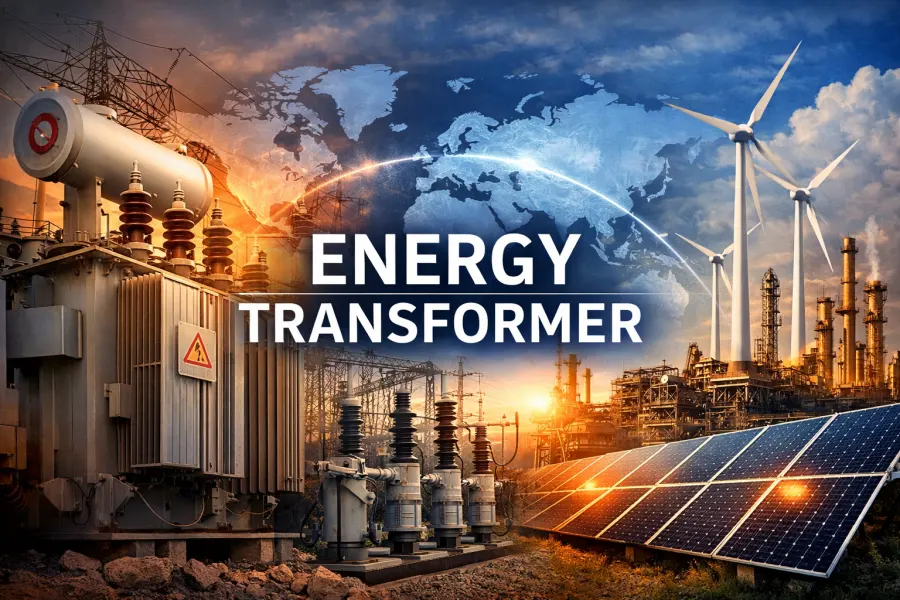
Einführung: Warum Energietransformatoren für moderne Stromversorgungssysteme von zentraler Bedeutung sind
Überall auf der Welt befinden sich die Energiesysteme in einem tiefgreifenden Strukturwandel. Überalterte Netze werden verstärkt, die Kapazität erneuerbarer Energien wird in einem noch nie dagewesenen Tempo ausgebaut und die industrielle Elektrifizierung beschleunigt sich in fast allen Regionen. In diesem Umfeld wird die Rolle der Energietransformator hat sich erheblich weiterentwickelt.
Einst als elektrische Standardkomponente betrachtet, wird der Energietransformator heute als langfristiges Infrastrukturelement angesehen, das sich direkt auf die Netzstabilität, die Energieeffizienz, die Betriebssicherheit und die gesamten Lebenszykluskosten auswirkt. Diese veränderte Sichtweise erklärt, warum Ingenieure, Versorgungsunternehmen, EPC-Auftragnehmer und Beschaffungsexperten in Nordamerika, Südamerika und Europa verstärkt auf die Konstruktion von Transformatoren, die Einhaltung von Normen und die Leistungsfähigkeit der Lieferanten achten.
Dieser Artikel bietet einen strukturierten, technischen Überblick über Energietransformatoren aus einer globalen technischen Perspektive, wobei der Schwerpunkt auf realen Anwendungsanforderungen, regionalen Marktunterschieden und praktischen Beschaffungsüberlegungen liegt.
1. Das Verständnis von Energietransformatoren in modernen Stromnetzen
Ein Energietransformator ist ein Kernelement eines jeden elektrischen Systems, das für die Spannungsumwandlung, die effiziente Energieübertragung und die elektrische Isolierung verantwortlich ist. Ob in Übertragungsnetzen, Verteilungssystemen, Industrieanlagen oder bei Projekten für erneuerbare Energien - Transformatoren sorgen dafür, dass der Strom sicher und effizient von der Erzeugung bis zum Endverbraucher übertragen wird.
In der Praxis umfassen Energietransformatoren eine breite Palette von Gerätetypen, wie z. B.:
-
Hochspannung und Höchstspannungs-Leistungstransformatoren
-
Mittel- und Niederspannung Verteilungstransformatoren
-
Trocken-Transformatoren für Innenräume oder brandempfindliche Anwendungen
-
Ölgefüllte Transformatoren für Installationen mit hoher Kapazität und im Freien
-
Transformatoren zur Aufstellfläche für bodennahe Versorgungs- und Gewerbeanwendungen
-
Auf Masten montierte Transformatoren für Freileitungsnetze in städtischen und ländlichen Gebieten
-
Isolierung und Spezialtransformatoren für anspruchsvolle Betriebsbedingungen
Für erfahrene Projekteigner liegt die Bedeutung eines Energietransformators nicht allein in seiner Typenschildleistung, sondern in seinem langfristigen Betriebsverhalten. Von Transformatoren wird in der Regel erwartet, dass sie jahrzehntelang ununterbrochen in Betrieb sind, oft unter variablen Lastbedingungen und in schwierigen Umgebungen.
Zu den wichtigsten Leistungsaspekten gehören Lebensdauer, Effizienz, mechanische Festigkeit, thermische Stabilität und Wartungsfreundlichkeit - Faktoren, die sich direkt auf die Betriebssicherheit und die Gesamtbetriebskosten auswirken.
2. Globale Normen: Die Grundlage der Beschaffung von Transformatoren
Unabhängig vom Projektstandort ist die Einhaltung anerkannter technischer Normen die Grundvoraussetzung für die Abnahme von Transformatoren. Bei internationalen Projekten müssen die Energietransformatoren nicht nur den lokalen Vorschriften, sondern auch den weltweit anerkannten Normen entsprechen.
Zu den häufig angewandten Rahmenwerken gehören:
-
IEC 60076-Serie für internationale Anwendungen
-
IEEE- und ANSI-Normen, insbesondere in Nordamerika
-
Europäische EN-Normen und Ökodesign (ErP)-Effizienzvorschriften
-
Sicherheitszertifizierungen wie UL und CSA für bestimmte Anwendungen
Für grenzüberschreitende Projekte oder exportorientierte Beschaffungen ist die Fähigkeit, Transformatoren nach mehreren Standardsystemen zu entwerfen und zu fertigen, unerlässlich. Diese Fähigkeit ermöglicht es Projektteams, die Einhaltung von Vorschriften zu gewährleisten, Genehmigungen zu vereinfachen und das technische Risiko bei Inbetriebnahme und Betrieb zu verringern.
3. Nordamerika: Zuverlässigkeit, Konformität und langfristige Leistung
Beschaffungsprioritäten in Nordamerika
Auf den nordamerikanischen Märkten folgt die Beschaffung von Transformatoren einem stark strukturierten und spezifikationsgesteuerten Ansatz. Versorgungsunternehmen und Industrieeigentümer legen in der Regel bereits in einem frühen Projektstadium detaillierte technische Anforderungen fest und lassen wenig Spielraum für Abweichungen.
Zu den wichtigsten Bewertungskriterien gehören häufig:
-
Vollständige Übereinstimmung mit ANSI- und IEEE-Designstandards
-
Übereinstimmung mit den aktuellen DOE-Anforderungen an die Energieeffizienz
-
Nachgewiesene Kurzschlussfestigkeit
-
Brandsicherheit und thermische Leistung
-
Nachgewiesene Erfahrung in vergleichbaren Anwendungen
In diesem Zusammenhang sind die Kosten zwar wichtig, aber selten der entscheidende Faktor. Die Zuverlässigkeit der Anlagen, die Einhaltung von Vorschriften und die vorhersehbare langfristige Leistung haben in der Regel ein größeres Gewicht.
Typische Anwendungen
Energietransformatoren werden in Nordamerika in vielen Bereichen eingesetzt:
-
Umspannwerke für Versorgungsunternehmen
-
Rechenzentren und unternehmenskritische Einrichtungen
-
Produktions- und Verarbeitungsbetriebe
-
Projekte zur Integration von Wind, Sonne und Energiespeicherung
-
Kommerzielle und institutionelle Infrastruktur
Diese Anwendungen erfordern eine hohe Verfügbarkeit und ein geringes Betriebsrisiko, was die Bedeutung eines konservativen Designs und strenger Tests unterstreicht.
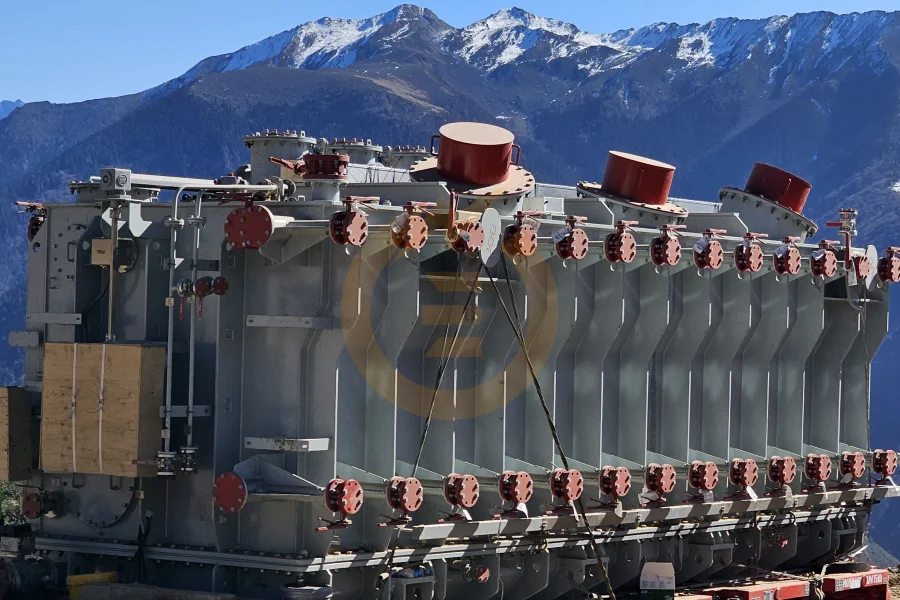
4. Südamerika: Spannungsvielfalt und Anpassungsfähigkeit an die Umwelt
Systemkomplexität und Betriebsbedingungen
Die südamerikanischen Stromnetze sind durch ein breites Spektrum an Spannungsebenen und Betriebsumgebungen gekennzeichnet. Zu den gängigen Mittel- und Hochspannungsklassen gehören 13,2 kV, 13,8 kV, 34,5 kV, 66 kV und 132 kVdie oft innerhalb eines Landes koexistieren.
Umweltbedingungen erschweren die Anforderungen an die Konstruktion von Transformatoren zusätzlich. Hohe Umgebungstemperaturen, Feuchtigkeit, Staub, Bergbauumgebungen und Korrosion an der Küste sind häufige Faktoren, die bei der Konstruktion berücksichtigt werden müssen.
Überlegungen zur Beschaffung
Käufer in Südamerika suchen in der Regel ein Gleichgewicht zwischen technischer Robustheit und wirtschaftlicher Effizienz. Anstatt sich nur auf den Anschaffungspreis zu konzentrieren, schätzen die Projekteigner eher Lösungen, die Langlebigkeit, Wartungsfreundlichkeit und eine stabile Leistung unter anspruchsvollen Bedingungen bieten.
Daher werden häufig Transformatoren bevorzugt, die an die spezifischen Standortbedingungen angepasst werden können, ohne dass sie zu komplex sind.
5. Europa: Energieeffizienz und Nachhaltigkeit als Kernkriterien
Regulatorische und politische Einflüsse
In Europa wird die Auswahl von Transformatoren stark von der Energiepolitik und den Umweltvorschriften beeinflusst. Die Anforderungen an die Energieeffizienz gehören zu den strengsten weltweit, und die Lebenszyklusleistung ist ein zentraler Aspekt.
Europäische Käufer bewerten Transformatoren in der Regel nach folgenden Kriterien:
-
Einhaltung der Ökodesign-Grenzwerte (ErP)
-
Leistung im Leerlauf und bei Lastverlust
-
Akustische Lärmpegel, insbesondere in städtischen Gebieten
-
Umweltauswirkungen von Dämmstoffen und Konstruktionsentscheidungen
Integration mit erneuerbaren Energien
Der wachsende Anteil der Stromerzeugung aus erneuerbaren Energien hat zu neuen Betriebsmustern geführt, darunter schwankende Lasten und bidirektionale Stromflüsse. Energietransformatoren müssen daher mit ausreichender Flexibilität und Wärmespanne ausgelegt sein, um dynamische Betriebsbedingungen zu bewältigen, ohne die Lebensdauer zu beeinträchtigen.
6. Technische Schlüsselfaktoren bei der Konstruktion von Energietransformatoren
Effizienz und Verlustmanagement
Der Wirkungsgrad eines Transformators hängt sowohl vom Kern- als auch vom Wicklungsdesign ab. Fortschrittliche Magnetwerkstoffe, eine optimierte Kerngeometrie und sorgfältig ausgelegte Wicklungen sind für die Minimierung von Leerlauf- und Lastverlusten unerlässlich.
Bei der Optimierung der Effizienz müssen auch regionale regulatorische Anforderungen berücksichtigt werden, da die zulässigen Verlustquoten je nach Markt variieren.
Isolierung und Kühlsysteme
Gängige Kühlmethoden sind ONAN, ONAF und OFAF für ölgefüllte Transformatoren sowie luftgekühlte Systeme für Trockentransformatoren. Die Auswahl der Isolierstoffklasse spielt eine entscheidende Rolle für die thermische Leistung und das Alterungsverhalten.
Bei extremen Temperaturen, Höhenlagen oder korrosiven Umgebungen können konstruktive Anpassungen erforderlich sein.
Mechanische Festigkeit und Verlässlichkeit
Kurzschlusskräfte, Transportbelastungen und seismische Bedingungen können Transformatoren mechanisch stark belasten. Eine robuste Konstruktion und gründliche Tests sind unerlässlich, um die langfristige Zuverlässigkeit zu gewährleisten.
7. Herstellungskapazität und langfristiger Wert
Aus technischer Sicht ist der langfristige Wert eines Energietransformators eng mit der technischen Tiefe und Produktionsdisziplin des Herstellers verbunden. Lieferanten mit ausgereiften Konstruktionsprozessen, umfassenden Prüfeinrichtungen und Erfahrung in mehreren Spannungsklassen sind besser in der Lage, über Jahrzehnte hinweg eine gleichbleibende Leistung zu erbringen.
Ebenso wichtig ist die Fähigkeit, Projekte über die erste Lieferung hinaus zu unterstützen, einschließlich Dokumentation, technischer Koordinierung und Serviceunterstützung während des Betriebs.
8. Von der Ausrüstungslieferung zur strategischen Partnerschaft
Bei modernen Energieprojekten werden Energietransformatoren selten isoliert beschafft. Stattdessen sind sie Teil einer umfassenderen technischen und kommerziellen Beziehung.
Zu einer effektiven Zusammenarbeit gehören in der Regel:
-
Technische Beratung im Frühstadium
-
Klare und vollständige technische Dokumentation
-
Prüfung im Werk und durch Dritte
-
Koordinierte Logistik und Unterstützung vor Ort
-
Laufende technische Unterstützung während der gesamten Betriebsdauer
Dieser Ansatz verringert das Projektrisiko und unterstützt die langfristige Zuverlässigkeit des Systems.
Schlussfolgerung: Neuausrichtung der Rolle von Energiewandlern
Da die Stromversorgungssysteme immer komplexer werden und die Leistungserwartungen weiter steigen, nehmen Energietransformatoren eine zunehmend strategische Position innerhalb der globalen Infrastruktur ein. Sie sind nicht mehr nur einfache Spannungsumwandlungsgeräte, sondern grundlegende Komponenten, die Effizienz, Belastbarkeit und Nachhaltigkeit beeinflussen.
Für Projekteigner und Beschaffungsexperten ist ein gründliches Verständnis der Transformatorentechnologie, der Normen und der regionalen Anforderungen unerlässlich. Eine sorgfältige Bewertung in den frühen Phasen eines Projekts kann die langfristigen Ergebnisse erheblich verbessern und eine zuverlässige Leistung während der gesamten Lebensdauer des Transformators gewährleisten.